Please Vote This May!
LEVY OVERRIDE
What would it do?
- Faster Response Times: Funds a third 24/7 ambulance for improved countywide coverage.
- Invests in people: Supports competitive wages to recruit and retain skilled EMS professionals.
- Improves equipment: Replaces aging ambulances and lifesaving equipment on a planned cycle
- Strengthens reliability: Improves system readiness, safety, and community preparedness.
Oversight and Accountability
Payette County Paramedics operates under the management of the City of Fruitland, with fiscal oversight provided by the City Council. The agency’s funding is derived from a combination of patient billing revenue and a dedicated portion of county property taxes. An annual budgeting process, coupled with public reporting requirements, ensures transparency and accountability to the community it serves.
If It Passes
YES VOTE!
If It Fails
Voting NO Means:
What Is
MUTUAL AID?
Mutual aid in EMS refers to formal or informal agreements between neighboring agencies to provide assistance—such as additional ambulances, personnel, or specialized resources—when local units are unavailable, overwhelmed, or operating outside their coverage area. It is a critical safety net for large-scale incidents, high call volume periods, or atypical emergencies, but it is not designed to replace a community’s primary response capacity.
- Longer response times: Mutual aid units are coming from outside the primary service area, increasing travel time during time-critical emergencies.
- Reduced availability for neighboring communities: Frequent use strains surrounding agencies and leaves their own residents less protected.
- Inconsistent service levels: Responding agencies may operate under different protocols, equipment standards, or staffing models.
- System fragility: Dependence on mutual aid masks underlying capacity shortfalls and fails during simultaneous or widespread emergencies.
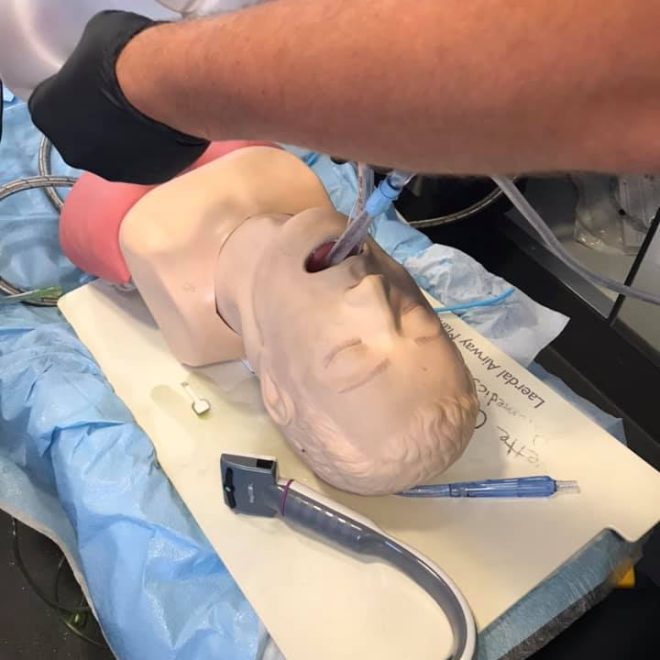
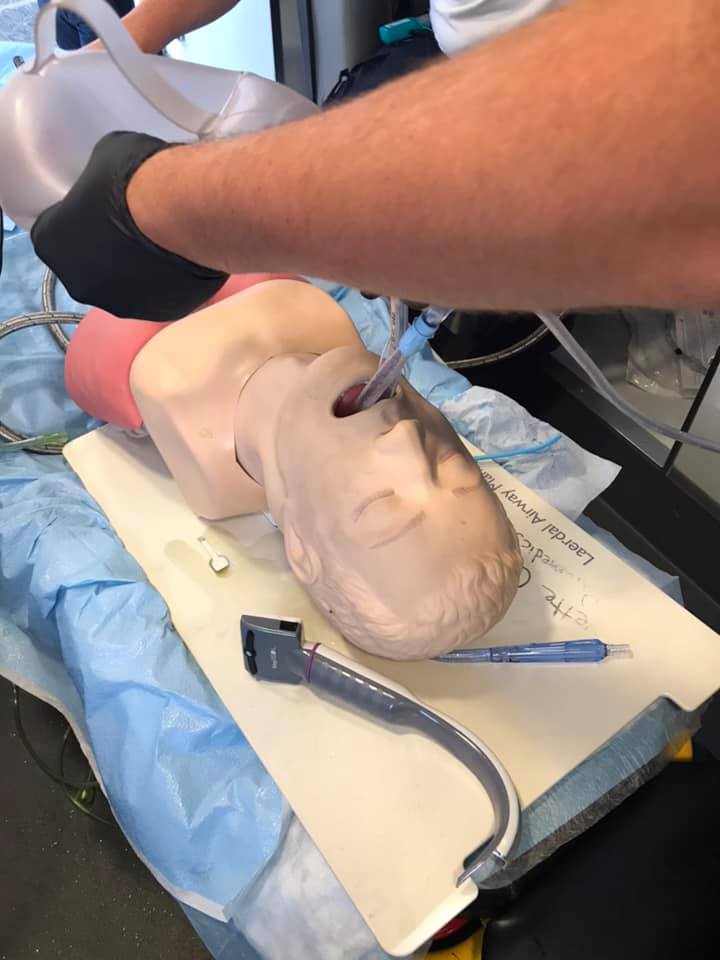
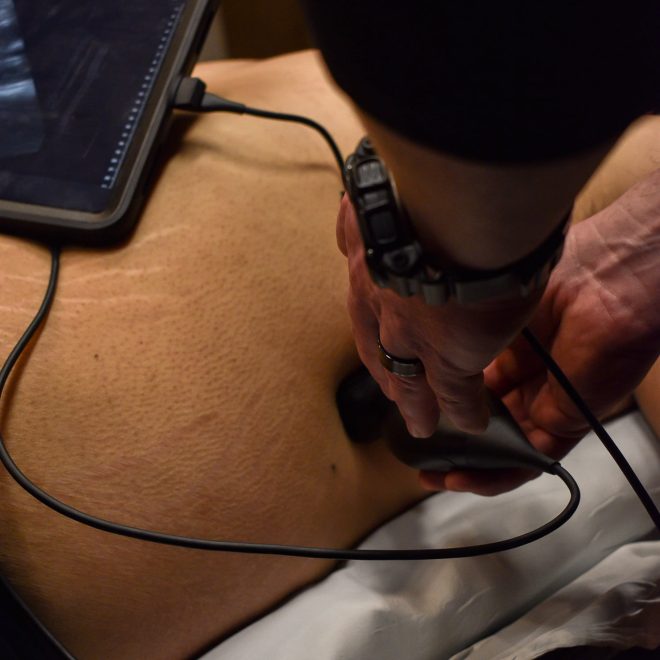
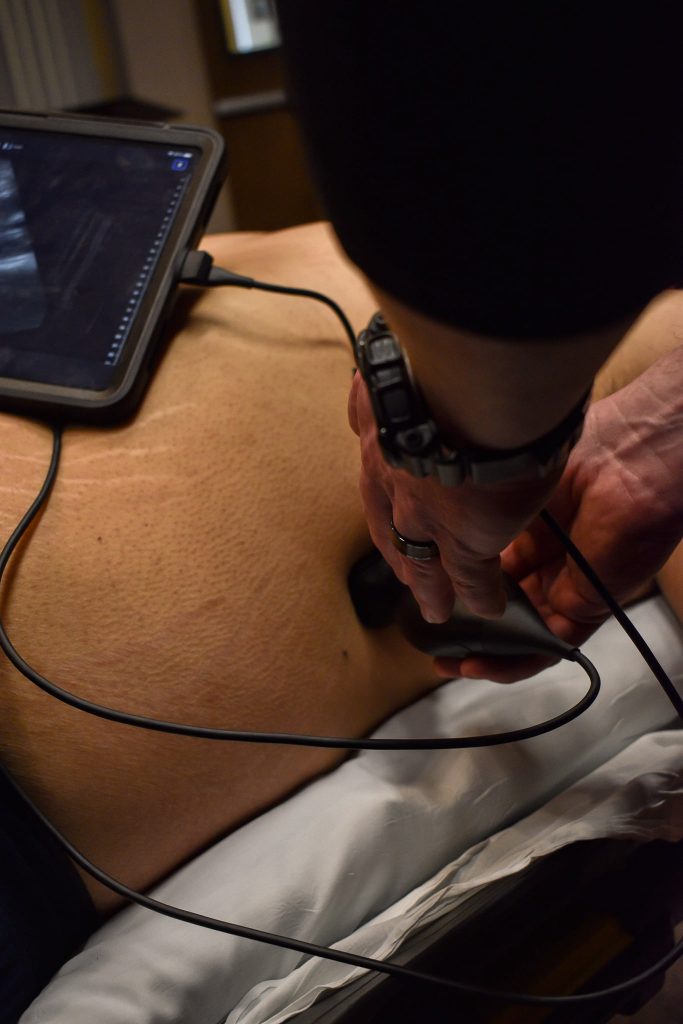
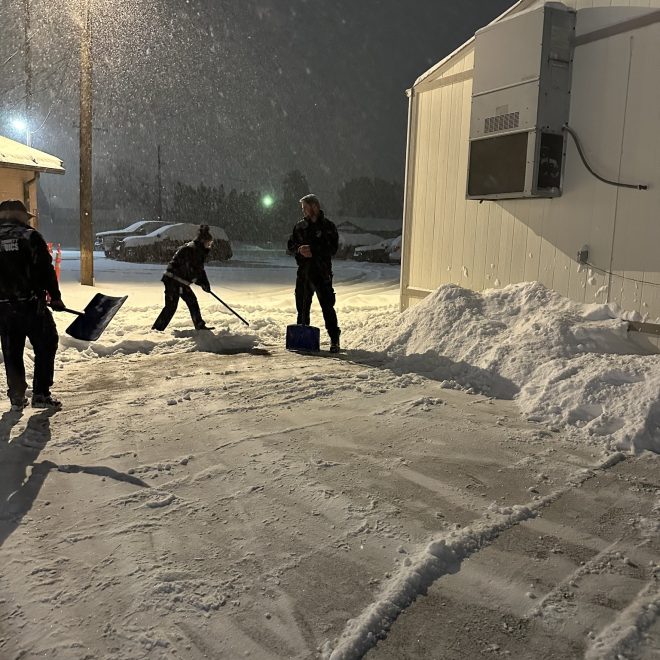
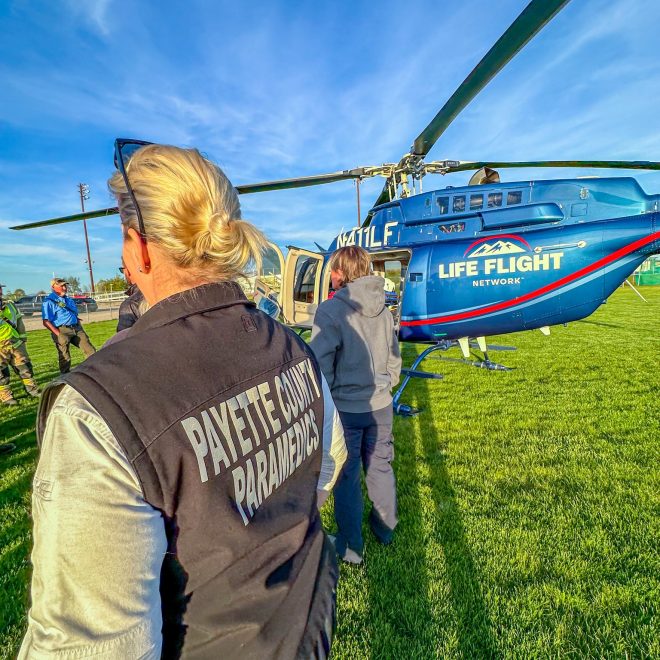
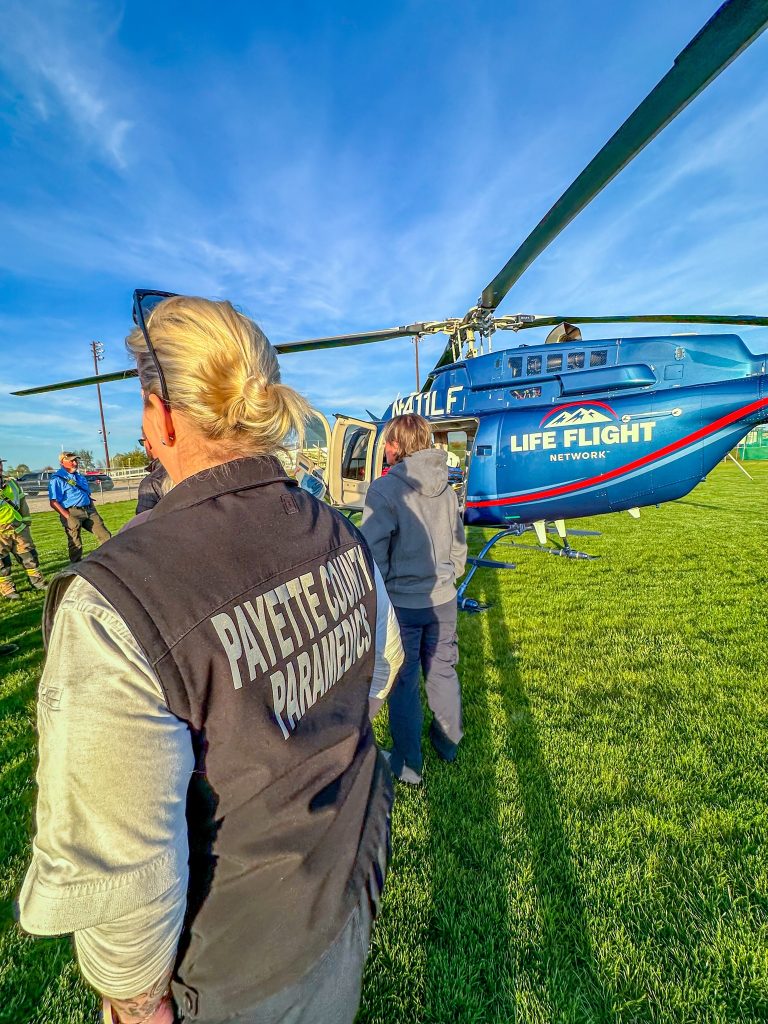
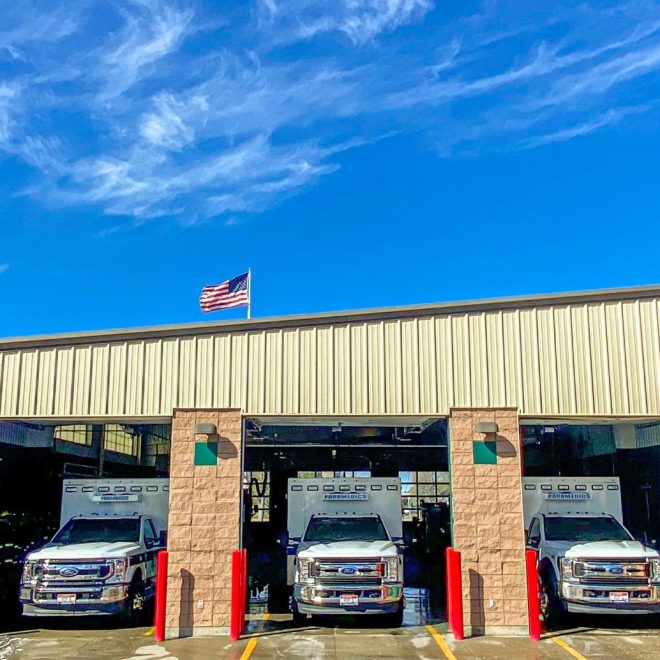
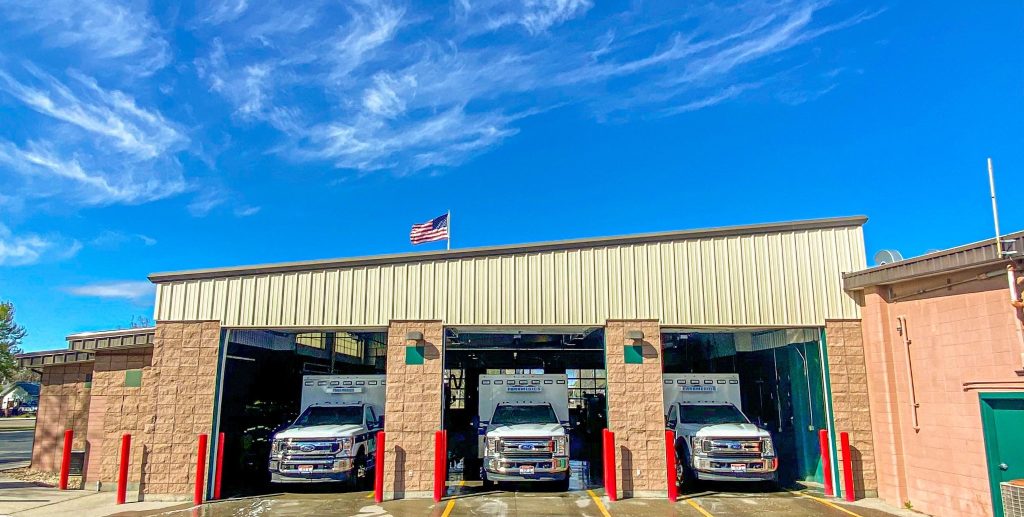
GALLERY
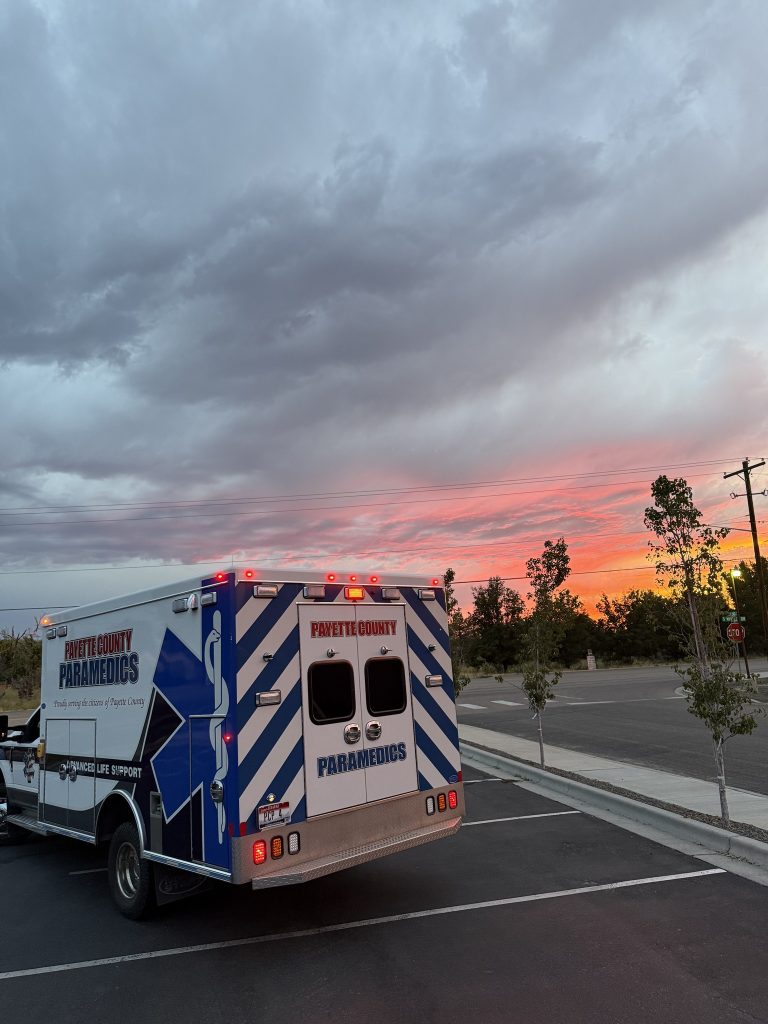
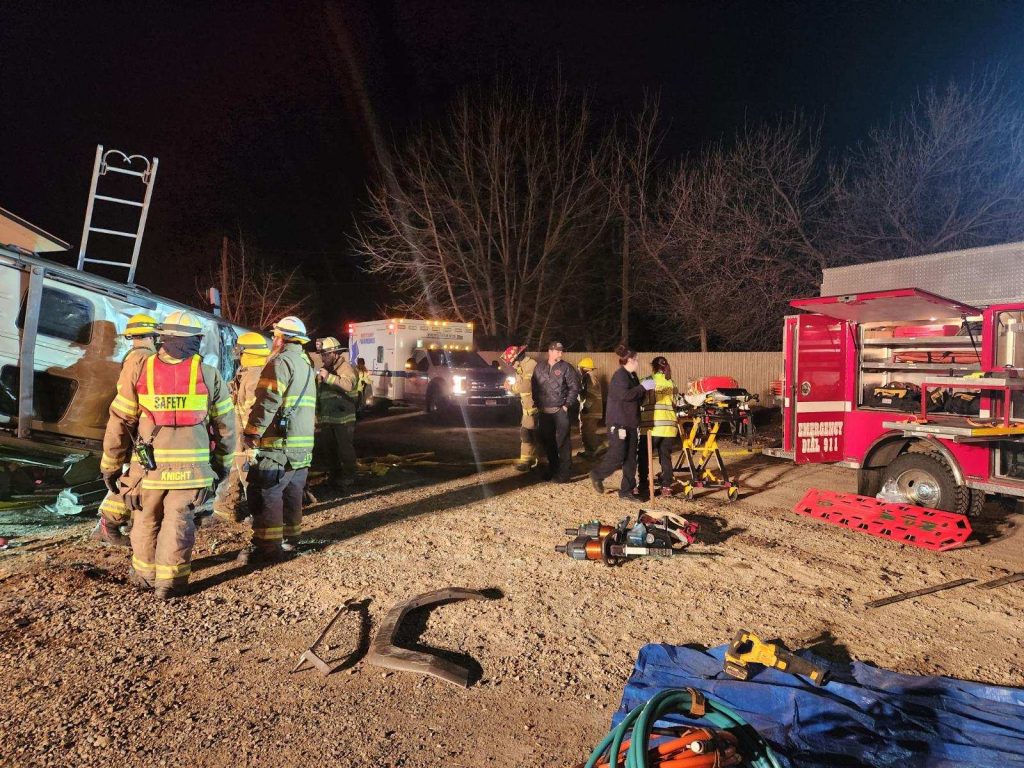
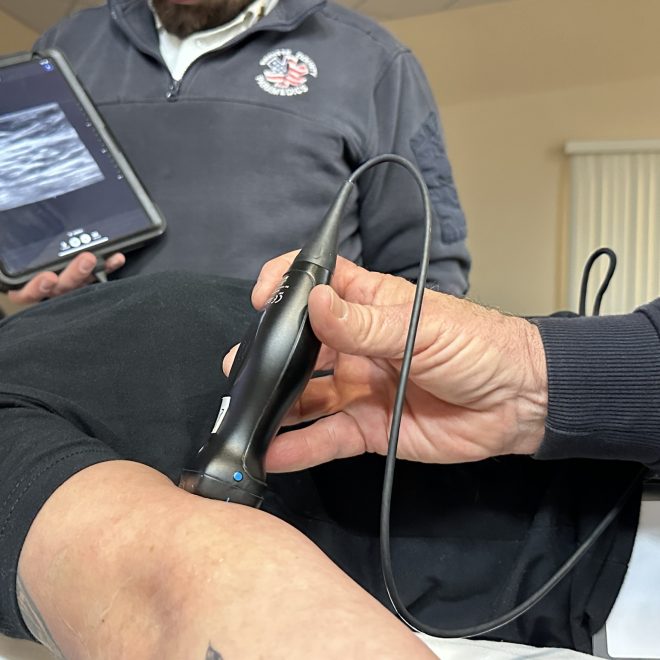
PAYETTE COUNTY PARAMEDICS

NOT GUARANTEED
EMS IS NOT AN ESSENTIAL SERVICE
In Idaho, emergency medical services are not currently designated as an “essential service” under state law, unlike police and fire protection, which means the state is not required to fund or guarantee their availability for every resident. As a result, EMS agencies in many counties rely heavily on volunteers, local levies, grants and inconsistent revenue streams rather than stable state appropriations—creating funding and staffing vulnerabilities that can translate into uneven response capacity and long response times in rural and underserved areas.
Recent legislative efforts (e.g., Senate Bill 1416) sought to formally define EMS as essential and reorganize the EMS Bureau within the Office of Emergency Management to support long-term sustainability, but the bill stalled and did not become law, leaving the status quo in place. This legislative context matters because without essential-service designation, Idaho has no statutory obligation to ensure universal EMS coverage or consistent financial support, which amplifies system fragility and risk for residents who depend on timely pre-hospital care.
MEET OUR
LEADERSHIP TEAM

Max Blittman
Max is the training coordinator and a captain at Payette County Paramedics. He enjoys spending his free time riding any two wheeled vehicle he can get his hands on.

Broc Perry
Battalion Chief with Payette County Paramedics with a decade of EMS experience, committed to service, family, and outdoor pursuits.

Katlyn Wake
Paramedic with two years of experience on the front lines of emergency care. Katlyn recharges by spending quality time with her family which shapes the empathy she brings to her work.
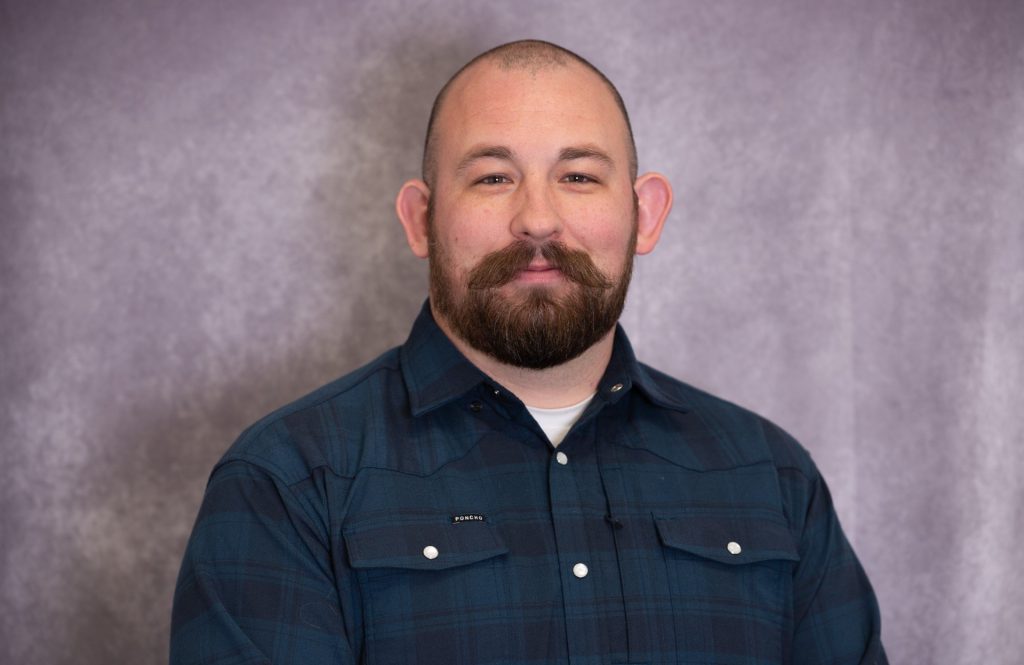
Joe Beck
Battalion Chief with Payette County Paramedics and has been in EMS for 10 years. Joe’s professional goals are to love his job and help people. Joe spends his free time enjoying life with family and friends.